
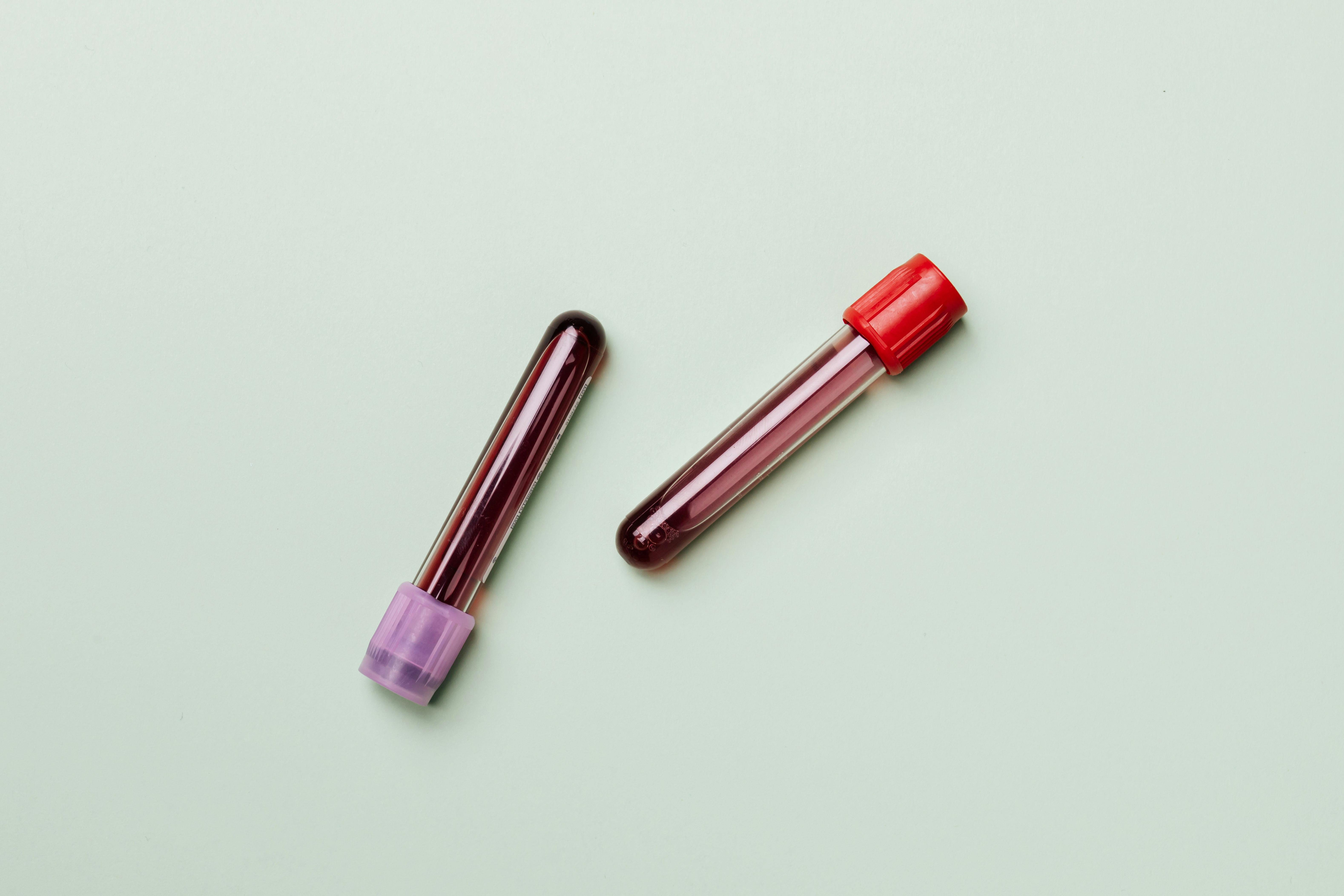
Persistent tendon or joint pain can significantly impact mobility and quality of life—especially for athletes and active individuals. Platelet-Rich Plasma (PRP) therapy offers an innovative, biologically driven solution that harnesses your body's natural healing potential to restore function and reduce pain in certain tendinopathies, soft tissue injuries, and osteoarthritis.
What Is PRP?
PRP therapy involves drawing a small amount of your blood, spinning it in a centrifuge to separate and concentrate platelets, and injecting that platelet-rich fraction directly into the affected area. These platelets contain powerful growth factors—such as platelet-derived growth factor (PDGF), transforming growth factor-beta (TGF-β), and vascular endothelial growth factor (VEGF)—that stimulate cell regeneration, collagen synthesis, and local tissue repair.
PRP for Tendonitis
Tendon injuries, such as lateral epicondylitis, patellar tendinopathy, rotator cuff tendinopathy, and Achilles tendinopathy, most commonly result from excessive or repetitive mechanical loading that overwhelms the tendon's ability to adapt and repair, leading to degenerative changes. It is also known that vascular changes—including both regions of low baseline vascularity and abnormal neovascularization—may contribute to the pathology.
While traditional options like rest, NSAIDs, or corticosteroid injections may offer short-term symptom relief, they do not address the underlying degeneration and may even delay healing. PRP, on the other hand, directly enhances tendon remodeling and regeneration:
Increases cell proliferation, migration, and collagen production
Reduces inflammation and pain through cytokine modulation
Improves tendon structure and tensile strength over time in certain tendinopathies
Clinical Evidence:
A 2020 meta-analysis in The American Journal of Sports Medicine showed that PRP injections provided superior long-term pain and function improvement compared to corticosteroids in chronic lateral epicondylitis.
Studies on rotator cuff tendinopathy, such as the 2021 systematic review and meta-analysis in PLoS One, demonstrate that ultrasound-guided PRP injections provide sustained improvements in pain and shoulder function compared to placebo, dry needling, or rehabilitation controls over long-term follow-up.
PRP for Osteoarthritis
PRP is increasingly used for degenerative joint conditions such as knee osteoarthritis, offering a minimally invasive alternative to corticosteroids or hyaluronic acid injections.
Mechanism: In osteoarthritis, PRP helps by delivering growth factors that reduce synovial inflammation and enhances cartilage metabolism, leading to clinical improvements in pain and function.
Clinical Evidence:
Randomized controlled trials published in Arthroscopy (2019) and The Journal of Orthopaedic Surgery and Research (2021) have demonstrated that intra-articular PRP injections significantly improve pain and function in mild-to-moderate knee osteoarthritis, often outperforming hyaluronic acid at 6–12 months follow-up.
The Procedure
PRP treatment is performed in-office and typically takes under an hour. After drawing your blood and processing it, the PRP is precisely injected under ultrasound or fluoroscopic guidance to ensure accuracy. Because PRP uses your own blood, allergic or immune reactions are exceedingly rare. Most patients require one to two sessions spaced several weeks apart, followed by a personalized rehabilitation program to maximize healing.
The Benefits
Natural and minimally invasive
Promotes biological healing rather than masking pain
May reduce need for surgery or in certain conditions
Supports recovery for athletes and active individuals
At InterSpine Pain and Wellness Center, we specialize in image-guided PRP therapy for musculoskeletal injuries and degenerative joint pain. Whether you are recovering from a soft tissue injury or managing osteoarthritis, PRP may help you move better, recover faster, and stay active—naturally. Contact us to schedule a consultation and learn more about our regenerative medicine options.
